



Unlock Your Potential with Reeves College
Discover programs designed to propel your career forward. Connect with us today to learn more.

 About
Highlights
Supporting Diverse Youth Culture Identity And Belonging For Youth Workers In Calgary And Edmonton
Thursday, November 05, 2026
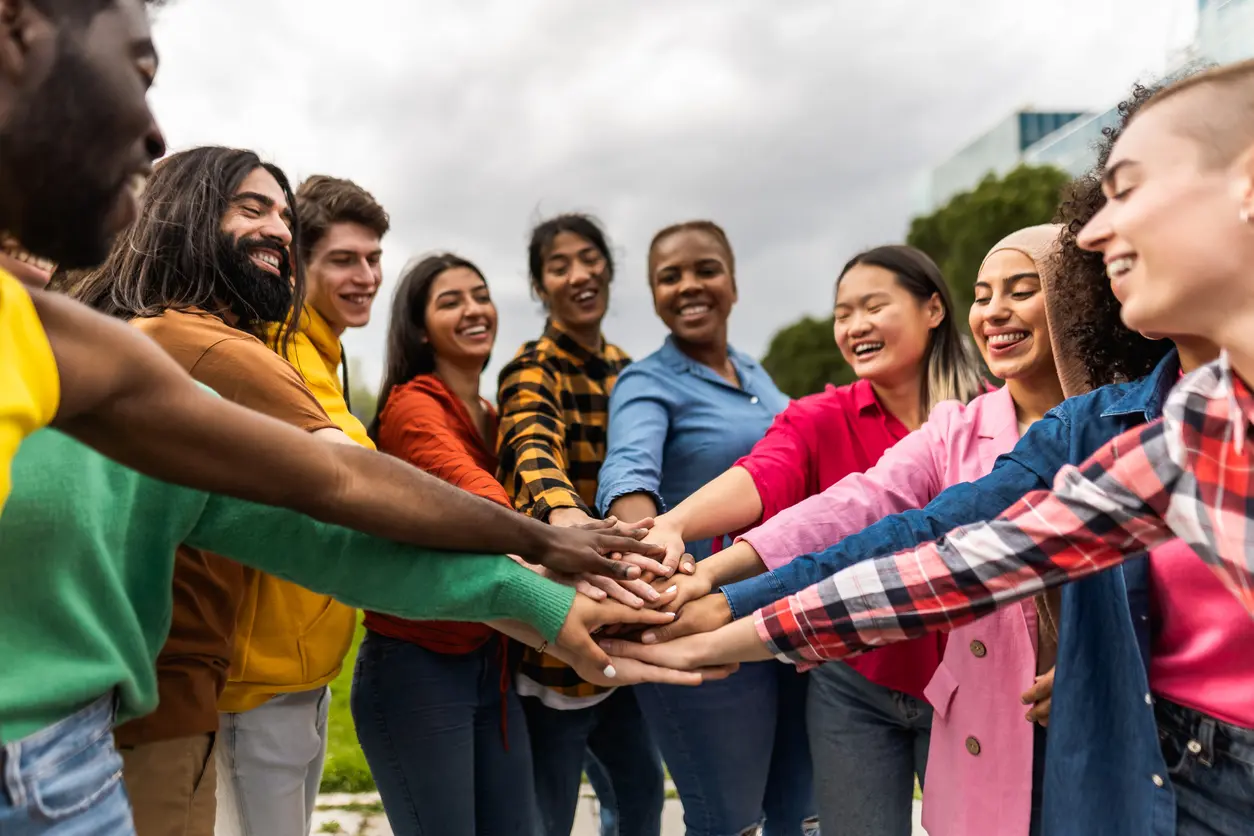
Supporting diverse youth means building relationships where young people feel safe being who they are, whatever their culture, language, faith, gender identity, sexual orientation, or the subcultures they choose. In Calgary and Edmonton, that's an everyday part of youth work.
This guide uses current Canadian data to show who youth workers support, why belonging matters, and what respectful support looks like day to day.
Diverse youth is a broad term for young people of different cultures, languages, faiths, gender identities, sexual orientations, abilities, and life experiences. In both cities, that describes a large share of the young people a youth worker meets. Here's what the data shows:
| What's Measured | Figure | Source and Date |
|---|---|---|
| Immigrants as a share of the population | Calgary 31.5%; Edmonton 26.0%; Canada 23.0% | Statistics Canada, 2021 Census |
| Children under 15 with at least one parent born outside Canada | 31.5% in 2021, up from 26.7% in 2011 | Statistics Canada, 2021 Census |
| Recent immigrants whose mother tongue is neither English nor French | 69.4% | Statistics Canada, 2021 Census |
| Indigenous population, Edmonton metro area | 87,605, the second largest among Canada's metro areas | Statistics Canada, 2021 Census |
| Share of LGBTQ2+ people aged 15 to 24 | 30%, compared with 14% of non-LGBTQ2+ people | Statistics Canada, 2018 data |
In practice, this means many teens you'll support are bicultural. A young person may speak one language at home and another at school, and balance family expectations with what their friends value. That's not a problem to fix. It's part of who they are, and it can be a source of strength.
Belonging is the feeling that you fit in and matter where you live, and many young Canadians report feeling less of it than older adults. Statistics Canada's Canadian Social Survey, collected from August 2021 to June 2022, found:
Here's what that means for youth work. A label doesn't tell you how a young person feels. A newcomer teen may feel deeply connected to their community, while a teen born in Calgary may feel shut out. Your job is to find out, one relationship at a time.
According to ALIS, child and youth care workers build trusting one-to-one relationships, help young people and families identify strengths, and plan recreational and social activities. Here's how those duties can apply across different parts of a young person's identity:
| Part of Identity | What It Can Include | What a Youth Worker Can Do |
|---|---|---|
| Culture and language | Family heritage, faith, food, and the languages spoken at home | Ask about traditions with curiosity, and involve family where the young person wants that |
| Bicultural identity | Balancing expectations at home, at school, and with friends | Listen without taking sides, and help the young person name strengths from both worlds |
| Indigenous identity | Connection to a specific First Nation, Inuit, or Métis community | Learn about local nations; ALIS notes that some settings may require knowledge of Indigenous culture and language |
| Gender identity and sexual orientation | How a young person understands and describes themselves | Let the young person lead on what they share, and follow your workplace's policies |
| Subcultures | Music, sports and other activities, and personal style | Use shared interests as a starting point for connection and planned activities |
Subcultures deserve special attention. A teen's music, sport, or style often says more about what they value than any form can. In practice, a conversation about a favourite artist or skate spot can open the door to a relationship that a formal intake meeting can't.
Supporting diverse youth comes down to a few consistent habits:
Terms you'll see in older materials may no longer be appropriate. These are the terms Government of Canada sources use today:
| Older Term | Term Used Today | Source |
|---|---|---|
| "Aboriginal" when referring to people | Indigenous peoples, or the proper name of the community or nation | Library and Archives Canada (July 2025) |
| LGBT or LGBTQ | 2SLGBTQI+ | Women and Gender Equality Canada (September 2024) |
Library and Archives Canada notes that "Aboriginal" is now used mostly in a legal context. Women and Gender Equality Canada notes that terminology "is continuously evolving," so the best guide is often how a young person describes themselves.
Reeves College's Child and Youth Services Worker Diploma Program in Edmonton and Calgary is designed to prepare community services workers who specialize in youth issues, and diversity runs through several courses:
| What You'll Explore | Course | Hours |
|---|---|---|
| How culture and subculture shape youth, including immigrant and bicultural youth, girls and young women, Indigenous youth, 2SLGBTQI+ youth, and music, activity, and style subcultures | Youth Diversity: Culture and Subculture | 60 |
| Diversity beyond race and ethnicity, with external speakers who have expertise in specific communities, plus role-play | Diversity and Social Justice in Helping Relationships | 40 |
| How justice, social services, and education systems shape youth identity | Youth and Social Welfare Systems in Canada | 40 |
| Child poverty in Canada, challenging stereotypes, and building a resource binder of local agencies | Fundamentals of Poverty | 40 |
| Speaking up for young people | Advocacy and Empowerment of Youth | 20 |
Program details at a glance:
To see where this work happens, read what a child and youth care worker does in Alberta, and for the full pathway, see our guide on becoming a child and youth care worker in Alberta.
In Calgary and Edmonton, supporting diverse youth isn't a specialty; it's the work. The young people you meet will bring different cultures, languages, identities, and interests, and the data shows that belonging can't be assumed for any of them. Curiosity, current language, and steady relationships are where good support begins.
Request more information about Reeves College's Child and Youth Services Worker program, admission requirements, financial options, and start dates.
Testimonials

Wonderful teachers and excellent staff coordinators. I had a very great experience attending Reeves North with my online program and highly recommend them to anyone who may be considering attending post secondary education or either after high school or changing careers or even to upgrade current degrees. Huge thumbs up!
Child and Youth Services Worker
Read MoreReviewsDiscover programs designed to propel your career forward. Connect with us today to learn more.

Cookies help us provide essential site features, understand visitor behaviour, customize content, and display targeted advertisements. To learn more, please review our Cookie Policy.